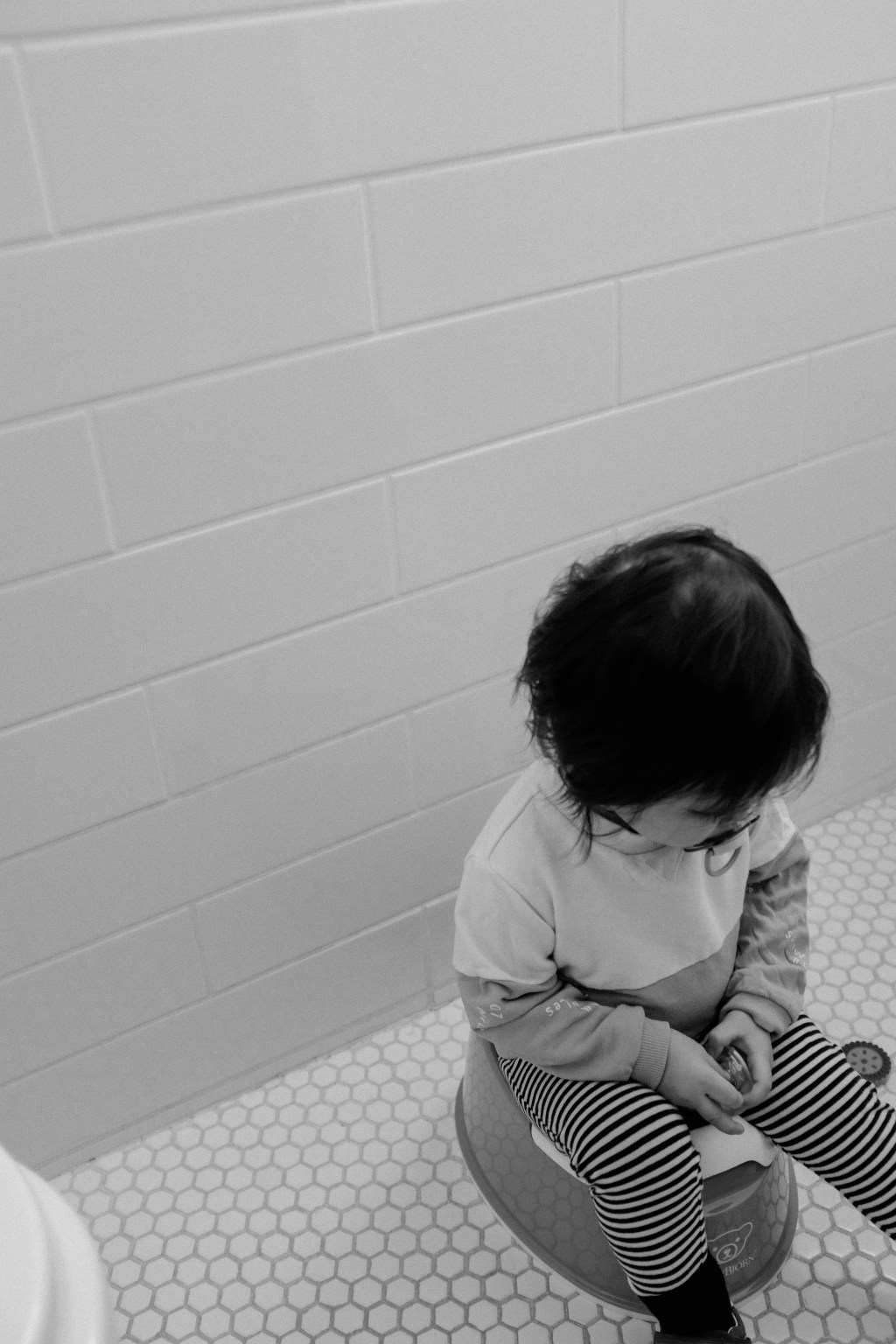

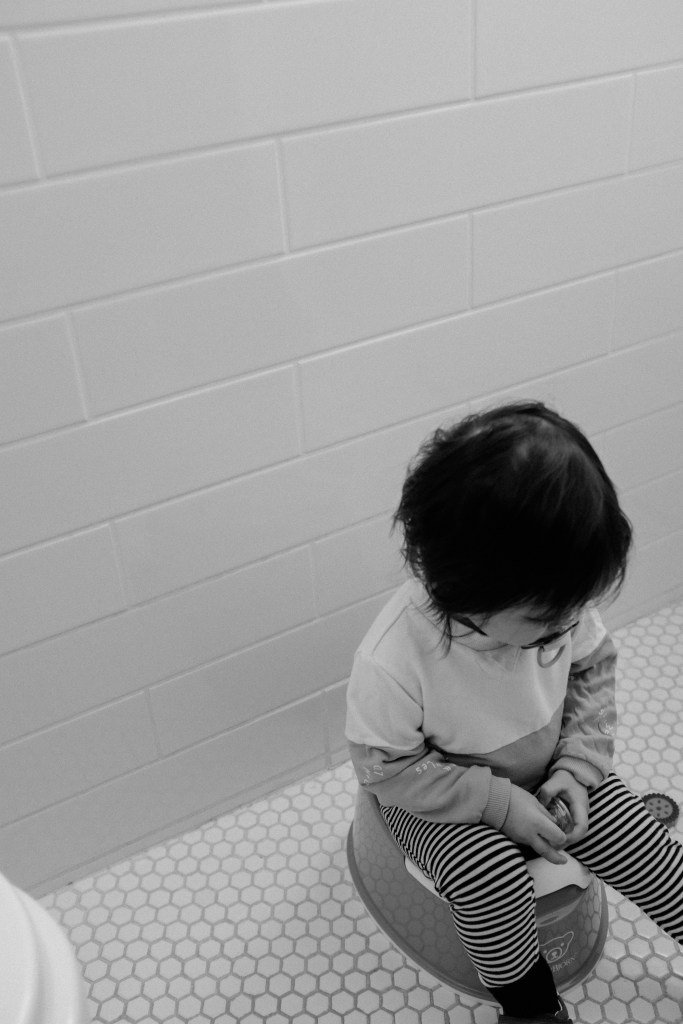
When to Get Started Potty Training Your Toddler Boy
One of the biggest questions parents have is: When is the best time to start potty training? While every child is different, many experts recommend starting between 18 months and 3 years old. The Mayo Clinic has comprehensive guidance. These are some signs that your son may be ready for this next step:
- He stays dry for longer periods.
- He shows interest in the toilet or follows you into the bathroom.
- He communicates when he has a wet or dirty diaper.
- He can pull his pants up and down independently.
- He dislikes being in a dirty diaper or being smelly.
If your child isn’t showing these signs yet, don’t stress! Don’t force the process too early, but go with the flow.
Watch for Signs of Readiness
Watching for signs of readiness is crucial in determining when to start potty training your boy. Typically, boys show readiness signs between 18 and 30 months old, but some may take longer. Look out for these signs:
- Showing interest in the toilet and wanting to imitate others who use it.
- Staying dry for longer periods, indicating bladder control.
- Communicating the need to go, such as saying “pee” or “poo.”
- Imitating others who use the toilet, such as sitting on the potty or trying to flush.
If you notice these signs, it’s likely your boy is ready to start potty training. Remember, every child is different, so be patient and wait for these cues before beginning the potty training journey.
Choose the Right Time to Start Potty Training
Choosing the right time to start potty training is essential for a successful potty training journey. Consider the following factors:
- Age: Most boys are ready to start potty training between 18 and 30 months old.
- Readiness signs: Look for the signs mentioned earlier, such as showing interest in the toilet and staying dry for longer periods.
- Emotional readiness: Ensure your son is emotionally ready to start potty training, showing an interest in using the potty and willing to learn. This means he also can handle a few mistakes and mishaps with good humor.
- Consistency: Choose a time when you can devote consistent time and energy to potty training, ideally for at least three months. Hopefully, it won’t take that long, but prepare mentally – just in case.
By considering these factors, you can set the stage for a smoother potty training process and help your boy feel more confident and secure.
Potty Training Tips Parents Should Know
Get Easy and Fun Potty Gear
Having the right potty-training tools can make a big difference. Consider investing in:
- A child-sized potty chair or a potty seat that fits onto the regular toilet.
- Fun underwear with favorite characters to encourage excitement.
- Step stools to help them reach the toilet or sink for handwashing.
- Flushable wipes for easy cleanup.
Help Your Boy Get Comfortable With the Potty
Before you even start, let your son get familiar with the potty. Creating a comfortable and accessible environment for child play can help your son become more familiar with the potty. Let him sit on it fully clothed, read potty-related books, or even watch you (or an older sibling) use the toilet to understand how it works. You may want to buy the potty seats that have a step stool, so that he can learn to be independent.
Also, teach them the correct vocabulary about their bodies, especially what we call “private parts.” Sometimes knowing how to verbalize their physical needs can help them get more comfortable with the new process of using the potty.
Teach Him to Sit First, Then Stand
Teaching your boy to sit first and then stand is a great approach to potty training. Here’s why:
- Sitting is often easier for boys to master, as it allows them to focus on the sensation of peeing and pooping.
- Once your boy is comfortable sitting on the potty, you can gradually introduce standing up to pee.
- Use a stool or step-stool to help your boy feel more secure and confident while standing.
Starting with sitting can make the initial stages of potty training less intimidating and help your boy build confidence before transitioning to standing.
Nighttime Training
Nighttime dryness often takes longer than daytime training. Consider using pull-ups or disposable training pants at night and encouraging bathroom visits before bed and first thing in the morning. If accidents happen, stay calm and reassure your child that it’s part of the learning process.
Set Up a Potty-Training Schedule
Toilet training can help your child succeed. Try scheduling potty breaks every 1.5 to 2 hours and after meals. Offer gentle reminders without pressure.
Set Aside Naked Time
Allowing your child to go diaper-free at home (especially in the warmer months) can help him recognize the sensation of needing to go and potty train more effectively. Keep the potty nearby so he can get to it quickly.
Use Props to Make Potty Training Fun
Make potty training an exciting experience! Try using:
- Stickers or a potty chart to track progress.
- Potty-training books or videos that reinforce positive habits.
- A target in the toilet (like a piece of cereal) to help with aim.
- Toilet paper for target practice to make the process more engaging.
- Small rewards like an extra bedtime story or a special snack for successes.
- Don’t forget to reward yourself mum. When he has a win make sure you celebrate your own efforts too, because you’re doing an awful lot of work and you also deserve kudos!
Motivate Him with Cool Underwear
Motivating your boy with cool underwear can make potty training more exciting and engaging. Here are some tips:
- Let him choose his own big boy underwear, picking out his favorite colors or characters.
- Use underwear with fun designs or themes to make potty training more enjoyable.
- Consider using training pants with built-in absorbency to help your boy feel more confident and secure.
- Don’t forget to use a waterproof bed cover for sleep training.
By making the switch to big boy underwear a fun and exciting milestone, you can encourage your boy to embrace the potty training process with enthusiasm.
Overcoming Common Challenges
Potty training can be challenging, but with the right approach, you can overcome common obstacles. Here are some tips:
What Happens if Potty Training Isn’t Working
If potty training isn’t working, don’t worry! It’s not uncommon for boys to take longer to master potty training. Here are some tips to help you overcome common challenges:
- Stay calm and patient: Avoid getting frustrated or angry, as this can create negative associations with potty training.
- Take breaks: If progress is slow, take a break from potty training and try again in a few weeks.
- Seek help: Consult with your child’s healthcare professional for advice on what to do next.
- Be consistent: Stick to a consistent potty training routine, even if progress is slow.
Remember, every child is different, and potty training may take longer for some boys than others. Stay positive, patient, and consistent, and you’ll be on your way to successful potty training!
FAQs About Potty Training Boys
At What Age Should You Start Potty Training a Baby Boy?
Most boys start potty training between 18 months and 3 years, but the best time to potty train a boy depends on their readiness signs like talking about their penis, saying words like boo boo, pee, wee wee, poop, etc.
What Is the 3-Day Potty Training Method?
This popular method involves going diaper-free for three days, offering consistent potty breaks, and using positive reinforcement. It requires full commitment but works well for some families. Using an over-the-toilet seat can help facilitate the process as children become accustomed to using the standard toilet.
What Is the Average Age for a Boy to Be Potty Trained?
On average, boys are daytime potty trained by 2.5 to 3 years old, though some may take longer.
What Is the Average Age for a Boy to Be Fully Potty Trained?
Full potty training, including staying dry at night, can take longer. Many boys master this skill by 4 to 5 years old.
Potty training takes time, patience, and a bit of flexibility. Celebrate the small wins, stay positive, and know that accidents are just part of the process. You’ve got this, mama!
Should You Teach Your Son about Bad Touch During Potty Training?
Yes. Your children should know the difference between good and bad touch, especially when getting helped with using the bathroom. This conversation can feel even more pressing for you if your children are left in the care of adults and strangers that you don’t know well. Try reading up on resources to help you through this tough conversation with your baby boy.


 BY & FOR BOY MOMS EVERYWHERE
Leave a comment